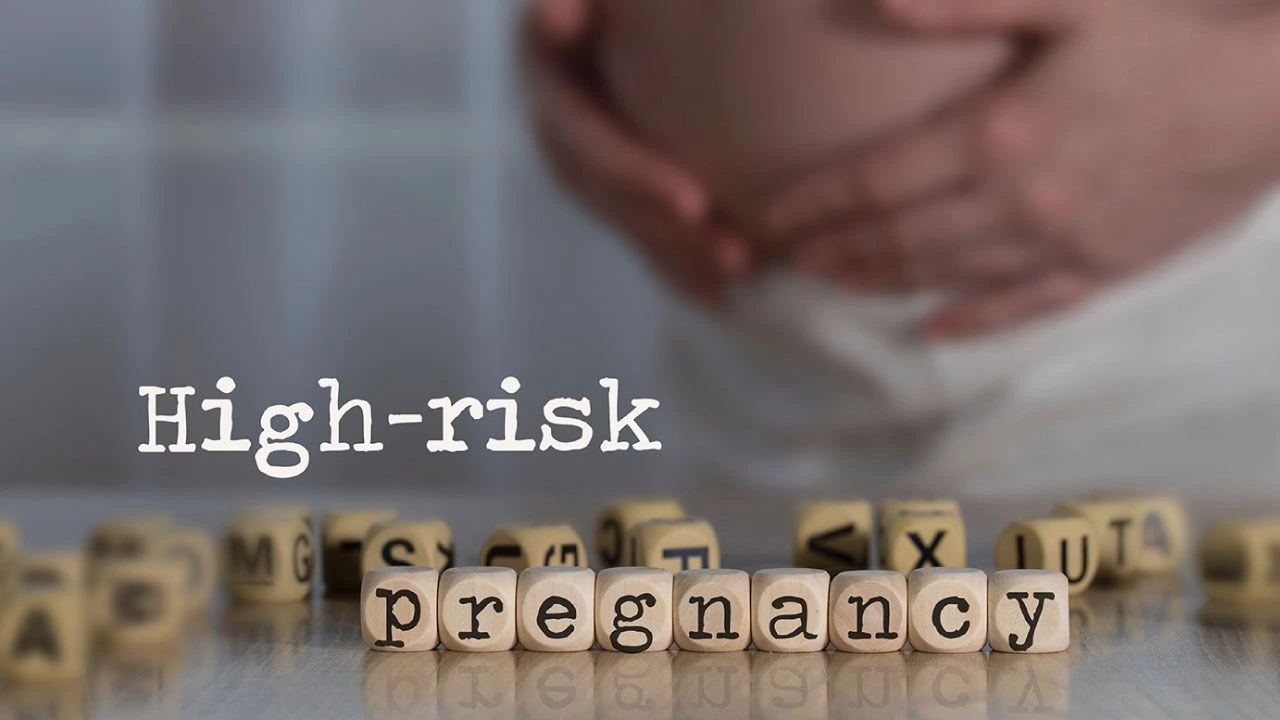
Pregnancy is usually a natural and healthy process, but in some cases, certain conditions can increase the risk of complications for the mother, the baby, or both. Such pregnancies are classified as high-risk pregnancies and require special care and monitoring. In this blog, Dr. Rajani Vaidya explains what a high-risk pregnancy means and who may be at increased risk.
What Is A High-Risk Pregnancy
A high-risk pregnancy is one in which there are greater chances of health problems during pregnancy, delivery, or after childbirth. These risks may arise due to medical conditions, lifestyle factors, or complications that develop during pregnancy.
According to Dr. Rajani Vaidya, early identification and proper care can help manage risks and improve outcomes for both mother and baby.
Why Identifying High-Risk Pregnancy Is Important
Recognizing a high-risk pregnancy allows doctors to:
- Monitor the pregnancy more closely
- Detect complications early
- Provide timely treatment
- Plan a safer delivery
Dr. Rajani Vaidya emphasizes that regular prenatal care plays a crucial role in managing high-risk pregnancies.
Who Is At Risk For A High-Risk Pregnancy
Several factors can increase the likelihood of a high-risk pregnancy.
Maternal Age
- Women below 17 years
- Women above 35 years
Advanced maternal age increases the risk of complications such as high blood pressure and gestational diabetes.
Pre-Existing Medical Conditions
Women with certain health conditions may have higher risks.
- Diabetes
- High blood pressure
- Thyroid disorders
- Heart disease
- Kidney disease
Pregnancy-Related Conditions
Some complications may develop during pregnancy.
- Gestational diabetes
- Preeclampsia
- Placenta previa
- Multiple pregnancies (twins or more)
Dr. Rajani Vaidya advises careful monitoring in such cases.
Lifestyle Factors
- Alcohol consumption
- Poor nutrition
- Lack of prenatal care
Previous Pregnancy Complications
- History of miscarriage
- Preterm delivery
- Previous cesarean section
- Low birth weight baby
These factors may increase the risk in future pregnancies.
Signs And Symptoms To Watch For
While not all high-risk pregnancies show symptoms, some warning signs include:
- Severe abdominal pain
- Heavy bleeding
- Severe headaches
- Blurred vision
- Reduced fetal movement
If you experience any of these symptoms, consult Dr. Rajani Vaidya immediately.
How High-Risk Pregnancies Are Managed
Proper care and monitoring can help ensure a healthy outcome.
Medical Care Includes
- Frequent prenatal visits
- Regular ultrasounds
- Blood tests and screenings
- Monitoring of mother and baby’s health
Lifestyle Modifications
- Balanced diet
- Adequate rest
- Stress management
- Avoid harmful substances
Specialized Care
Some high-risk pregnancies may require:
- Consultation with specialists
- Hospital monitoring
- Planned delivery approach
Dr. Rajani Vaidya ensures individualized care for each patient.
Can High-Risk Pregnancies Have Normal Outcomes
Yes, many women with high-risk pregnancies deliver healthy babies with proper care and monitoring. Early detection and adherence to medical advice are key factors.
Tips For A Safe Pregnancy
- Attend all prenatal appointments
- Follow your doctor’s advice
- Maintain a healthy lifestyle
- Stay informed about your condition
Importance Of Emotional Support
High-risk pregnancies can be stressful. Emotional support from family and healthcare providers plays an important role in overall well-being.
FAQs
Q: What makes a pregnancy high-risk?
A: Medical conditions, age, or pregnancy complications can increase risk.
Q: Can high-risk pregnancy be managed?
A: Yes, with proper care and regular monitoring.
Q: Is bed rest necessary in all cases?
A: Not always; it depends on the condition and doctor’s advice.
Q: Can I have a normal delivery with a high-risk pregnancy?
A: In some cases, yes, but it depends on individual factors.
Q: When should I see a doctor?
A: Regular prenatal visits are essential, and any unusual symptoms should be evaluated immediately.
Conclusion
A high-risk pregnancy does not mean a negative outcome, but it does require extra attention and care. Understanding the risk factors and recognizing warning signs can help ensure timely intervention.
With expert guidance from Dr. Rajani Vaidya, expectant mothers can navigate high-risk pregnancies safely and confidently. If you have any concerns, do not hesitate to seek medical advice.
If you are planning a pregnancy or have been identified as high-risk, consult Dr. Rajani Vaidya for expert care and personalized guidance. Early support can ensure a safer and healthier pregnancy journey.

We are committed to providing compassionate, personalized care for women at every stage of life—from adolescence and fertility to pregnancy, menopause, and beyond. Our goal is to ensure that every patient feels supported, informed, and cared for with the highest standards of medical expertise.


