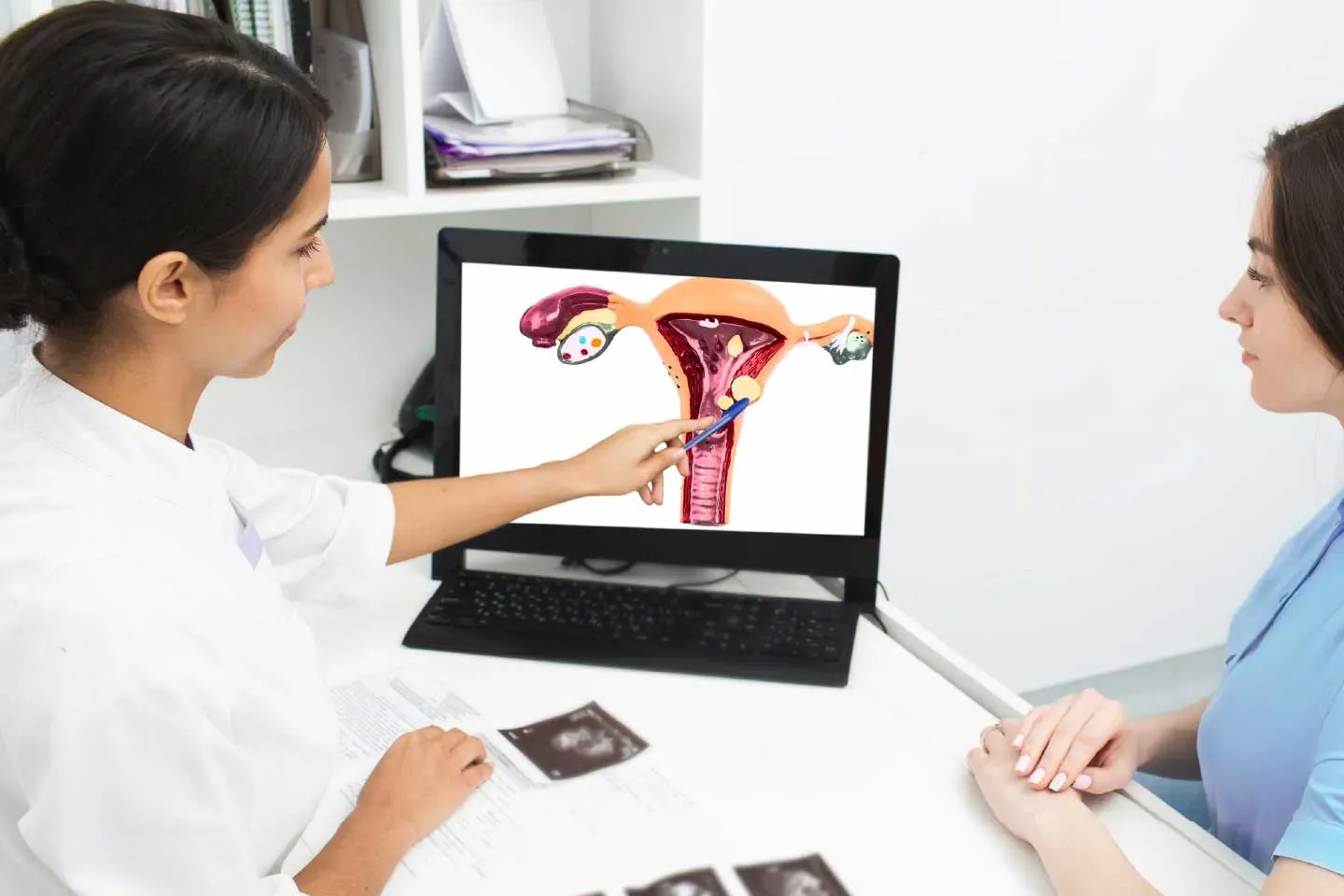
Ovarian cysts are fluid-filled sacs that develop on or within the ovaries. They are common during the reproductive years and, in many cases, cause no symptoms and resolve on their own. However, while most ovarian cysts are harmless, some can become complicated and require prompt medical attention.
A complicated ovarian cyst may cause severe pain, internal bleeding, ovarian torsion, or other serious health concerns. Recognizing the warning signs early can help prevent complications and ensure timely treatment.
According to Dr. Rajani Vaidya, women should never ignore persistent or severe pelvic symptoms, especially when they occur suddenly or worsen over time.
What Is A Complicated Ovarian Cyst?
A complicated ovarian cyst refers to a cyst that causes significant symptoms or develops problems such as:
- Rupture
- Internal bleeding
- Infection
- Ovarian torsion (twisting of the ovary)
- Rapid enlargement
- Suspicious features requiring further evaluation
These situations may require urgent medical assessment and, in some cases, surgical treatment.
Common Symptoms Of Ovarian Cysts
Many ovarian cysts do not cause noticeable symptoms. When symptoms occur, they may include:
- Mild pelvic discomfort
- Abdominal bloating
- Feeling of pelvic pressure
- Irregular menstrual cycles
- Pain during intercourse
These symptoms are not always a sign of a complication but should still be discussed with a healthcare provider.
Warning Signs That Should Never Be Ignored
Sudden Severe Pelvic Pain
One of the most important warning signs is the sudden onset of intense pelvic or lower abdominal pain.
This may indicate:
- Ovarian torsion
- Cyst rupture
- Internal bleeding
Severe pain requires immediate medical evaluation.
Pain Accompanied By Nausea Or Vomiting
Severe pelvic pain together with nausea or vomiting may suggest ovarian torsion, a condition in which the ovary twists and its blood supply becomes compromised.
Ovarian torsion is considered a medical emergency.
Rapidly Increasing Abdominal Swelling
A noticeable increase in abdominal size or persistent bloating may indicate:
- A growing ovarian cyst
- Fluid accumulation
- Other pelvic abnormalities
Persistent abdominal enlargement should always be investigated.
Fever And Pelvic Pain
Fever accompanied by pelvic pain may suggest infection or another serious gynecological condition requiring prompt treatment.
Dizziness Or Fainting
A ruptured cyst can occasionally cause internal bleeding.
Warning signs may include:
- Dizziness
- Lightheadedness
- Weakness
- Fainting
These symptoms require urgent medical attention.
Persistent Pelvic Pressure
Ongoing pressure or heaviness in the pelvis may occur when cysts become large enough to affect nearby organs.
Women should seek evaluation if symptoms continue or worsen.
Pain During Daily Activities
Pain that interferes with walking, exercise, work, or normal activities should not be ignored.
Persistent or worsening pain may indicate a growing or complicated cyst.
What Is Ovarian Torsion?
Ovarian torsion occurs when the ovary twists around its supporting tissues.
This can lead to:
- Severe pain
- Reduced blood flow to the ovary
- Tissue damage if not treated promptly
Common symptoms include:
- Sudden severe pelvic pain
- Nausea
- Vomiting
- Abdominal tenderness
Early treatment is essential to preserve ovarian function.
What Happens When An Ovarian Cyst Ruptures?
A ruptured ovarian cyst may cause:
- Sudden sharp pain
- Internal bleeding
- Pelvic discomfort
- Abdominal tenderness
Some ruptures are mild and resolve with observation, while others may require emergency care.
Who Is At Higher Risk Of Complications?
Complications may be more likely in women who have:
- Large ovarian cysts
- Endometriosis-related cysts
- Certain ovarian tumors
- Previous ovarian cyst complications
Regular follow-up helps monitor cyst size and behavior.
How Are Complicated Ovarian Cysts Diagnosed?
Evaluation may include:
Pelvic Examination
A physical examination helps assess tenderness and pelvic abnormalities.
Ultrasound
Ultrasound is the primary imaging tool used to evaluate ovarian cysts and identify concerning features.
Blood Tests
Blood investigations may help assess infection, bleeding, or other underlying concerns.
Advanced Imaging
CT or MRI scans may be recommended in selected situations.
Treatment Options
Treatment depends on:
- Type of cyst
- Size of the cyst
- Severity of symptoms
- Age of the patient
- Presence of complications
- Observation
Small, uncomplicated cysts may only require monitoring.
Medications
Pain management and symptom control may be recommended when appropriate.
Laparoscopic Surgery
Minimally invasive surgery is often used for symptomatic or complicated cysts.
Emergency Surgery
Urgent intervention may be necessary for ovarian torsion, severe bleeding, or suspected serious pathology.
When Should You Seek Immediate Medical Attention?
Seek urgent care if you experience:
- Sudden severe pelvic pain
- Pain with nausea or vomiting
- Dizziness or fainting
- Fever with pelvic pain
- Signs of internal bleeding
- Rapidly worsening symptoms
Prompt treatment can prevent serious complications.
Conclusion
While most ovarian cysts are harmless and resolve without treatment, some can become complicated and require urgent medical care. Severe pelvic pain, nausea, vomiting, fever, dizziness, and rapidly worsening symptoms should never be ignored.
Dr. Rajani Vaidya emphasizes that early diagnosis and timely treatment are essential for protecting reproductive health and preventing complications. Women experiencing concerning symptoms should seek professional evaluation without delay.
FAQs
Q: Are Most Ovarian Cysts Dangerous?
A: No. Most ovarian cysts are benign and resolve on their own without causing serious problems.
Q: What Is The Most Serious Complication Of An Ovarian Cyst?
A: Ovarian torsion and significant cyst rupture with bleeding are among the most serious complications.
Q: Can A Ruptured Ovarian Cyst Cause Severe Pain?
A: Yes. Rupture can cause sudden sharp pelvic pain and, in some cases, internal bleeding.
Q: When Should I Go To The Emergency Room For An Ovarian Cyst?
A: Seek urgent medical care if you experience severe pain, fainting, dizziness, fever, or pain accompanied by nausea and vomiting.
Q: Can Complicated Ovarian Cysts Be Treated Laparoscopically?
A: Many ovarian cysts can be managed with minimally invasive laparoscopic surgery, depending on the specific situation.
Experiencing pelvic pain, bloating, or symptoms that may be related to an ovarian cyst? Consult Dr. Rajani Vaidya for expert gynecological evaluation, accurate diagnosis, and personalized treatment to protect your reproductive health.

We are committed to providing compassionate, personalized care for women at every stage of life—from adolescence and fertility to pregnancy, menopause, and beyond. Our goal is to ensure that every patient feels supported, informed, and cared for with the highest standards of medical expertise.


