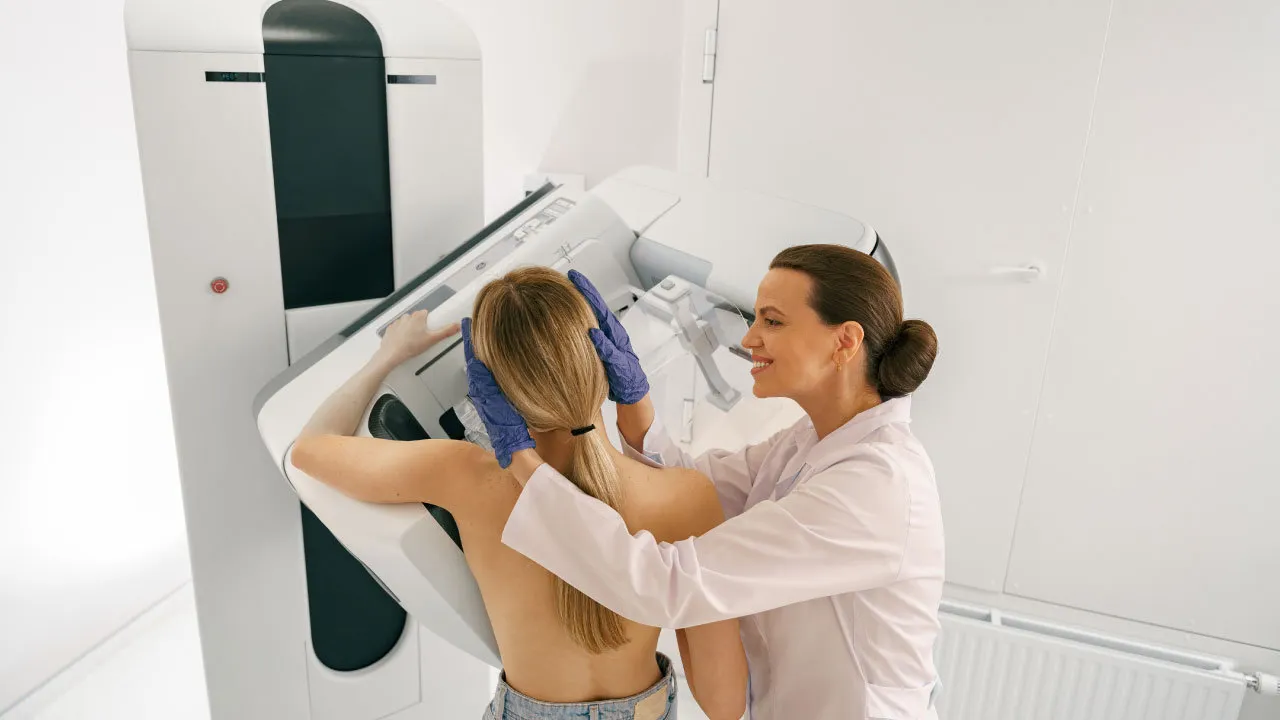
When it comes to breast health, many women wonder whether they should wait until they notice a problem before seeing a doctor. The answer is no. Breast screening is designed to detect changes early, sometimes even before symptoms appear. While routine screening is recommended based on age and individual risk factors, certain signs should never be ignored.
It's important to remember that these symptoms don't always mean breast cancer. Many breast conditions are noncancerous. However, any new or persistent change deserves a timely evaluation to determine the cause.
You Feel a New Breast Lump
A lump is one of the most common reasons women seek medical attention. While many breast lumps are benign, any new lump should be examined by a healthcare professional.
A clinical breast examination and appropriate imaging can help determine whether further evaluation is needed.
There's a Change in Breast Size or Shape
It's normal for breasts to have slight natural differences, but a noticeable change in the size, shape, or contour of one breast should be assessed, especially if it develops suddenly or continues to progress.
You Notice Skin Changes
Changes in the skin over the breast can sometimes indicate an underlying problem.
Watch for:
- Dimpling
- Thickened skin
- Redness
- Swelling
- A texture that resembles an orange peel
Although these changes may have noncancerous causes, they should always be evaluated promptly.
Your Nipple Looks Different
A nipple that suddenly turns inward (nipple inversion), changes shape, or develops persistent crusting or scaling should not be ignored, particularly if the change is new.
You Have Nipple Discharge
Nipple discharge isn't always abnormal, but discharge that occurs without squeezing the breast, especially if it's bloody or comes from only one breast, should be evaluated by a doctor.
Persistent Breast Pain
Breast pain is common and is often related to hormonal changes. However, persistent pain that's localized to one area or doesn't improve over time deserves further assessment.
Swelling in the Armpit
The lymph nodes in the armpit can become enlarged for various reasons, including infections and other medical conditions.
If you notice a new lump or persistent swelling under your arm, schedule an evaluation.
You Have a Family History of Breast Cancer
Even if you don't have symptoms, a family history of breast or ovarian cancer may increase your risk.
Your doctor can recommend an individualized screening plan based on your personal and family history.
You're Due for Routine Screening
One of the most important reasons to schedule breast screening is that you have reached the recommended age or are due for your next examination.
Screening mammograms can detect certain breast changes before they become noticeable, improving the chances of early diagnosis and treatment when appropriate.
Something Just Doesn't Feel Right
You know your body better than anyone else. If you've noticed a change that persists, even if it doesn't fit the typical warning signs, trust your instincts and have it evaluated.
Seeking medical advice early is always preferable to waiting and wondering.
What Does Breast Screening Involve?
Your doctor may recommend one or more screening or diagnostic tests depending on your age, symptoms, and risk factors.
These may include:
- Clinical breast examination
- Mammography
- Breast ultrasound
- Breast MRI in selected patients
The most appropriate test depends on your individual situation and will be discussed during your consultation.
Early Detection Starts With Paying Attention
Many breast conditions are not cancer, but it's impossible to know the cause of a new breast change without proper evaluation. Regular screening, breast awareness, and prompt medical attention for concerning symptoms all play an important role in maintaining breast health.
Don't wait for symptoms to become severe before seeking advice. If you've noticed any changes or are due for routine screening, scheduling an appointment is a proactive step toward protecting your health.
Get Comprehensive Breast Care With Dr. Rajani Vaidya
If you've noticed a new breast lump, changes in your breast, or are due for routine screening, consult Dr. Rajani Vaidya for a comprehensive breast evaluation. Early detection and timely assessment can help identify breast conditions sooner and guide you toward the most appropriate care, giving you greater confidence and peace of mind about your breast health.
Frequently Asked Questions
Q: Should I have a breast screening even if I don't have symptoms?
A: Yes. Routine breast screening is recommended for many women based on age and individual risk factors, even when no symptoms are present.
Q: Does every breast lump mean cancer?
A: No. Many breast lumps are noncancerous, but every new lump should be evaluated by a healthcare professional.
Q: What should I do if I notice nipple discharge?
A: If the discharge is spontaneous, persistent, bloody, or occurs from one breast, consult your doctor for an evaluation.
Q: Can younger women develop breast problems?
A: Yes. While the risk of breast cancer generally increases with age, women of all ages can develop breast conditions that require assessment.
Q: Which test is best for breast screening?
A: The most appropriate screening test depends on your age, symptoms, breast density, and risk factors. Your doctor will recommend the best option for you.

We are committed to providing compassionate, personalized care for women at every stage of life—from adolescence and fertility to pregnancy, menopause, and beyond. Our goal is to ensure that every patient feels supported, informed, and cared for with the highest standards of medical expertise.


