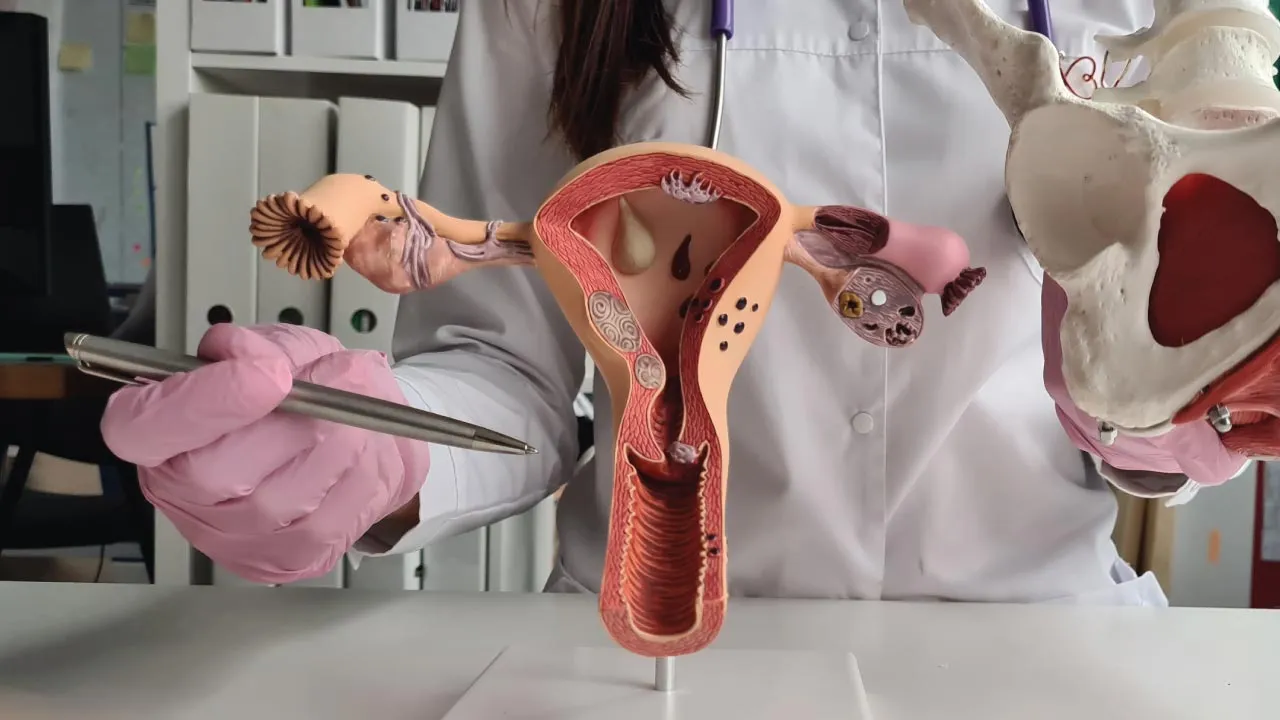
A hysterectomy is one of the most commonly performed gynecologic surgeries. It may be recommended for conditions such as large uterine fibroids, abnormal uterine bleeding, adenomyosis, endometriosis, uterine prolapse, or certain gynecologic cancers. Today, advances in surgical technology have made it possible for many women to undergo minimally invasive procedures instead of traditional open surgery.
One of these advances is robotic hysterectomy, which allows surgeons to perform complex procedures using robotic-assisted technology. While robotic surgery offers several potential advantages for selected patients, it is not automatically the best option for everyone. The most appropriate surgical approach depends on your medical condition, anatomy, previous surgeries, and your surgeon's assessment.
Dr. Rajani Vaidya provides individualized treatment plans and recommends the surgical technique best suited to each patient's health needs and treatment goals.
What Is A Hysterectomy?
A hysterectomy is the surgical removal of the uterus. Depending on the reason for surgery, the procedure may also involve removal of the cervix, fallopian tubes, or ovaries.
After a hysterectomy, pregnancy is no longer possible. The decision to undergo surgery is made after careful evaluation and discussion with your gynecologist.
What Is A Traditional Hysterectomy?
The term "traditional hysterectomy" often refers to an open abdominal hysterectomy, where the uterus is removed through a larger incision made in the lower abdomen.
This approach may still be recommended for certain patients, particularly when:
- The uterus is very large
- There is extensive scar tissue from previous surgeries
- Advanced gynecologic cancer is present
- A minimally invasive approach is not considered appropriate
Open surgery provides direct access to the pelvic organs but generally involves a larger incision and a longer recovery period.
What Is A Robotic Hysterectomy?
A robotic hysterectomy is a minimally invasive procedure performed through several small incisions in the abdomen.
The surgeon controls robotic instruments from a specialized console. The robotic system does not perform the surgery independently. Every movement is directed entirely by the surgeon.
The robotic platform offers:
- High-definition three-dimensional visualization
- Enhanced precision
- Improved instrument flexibility
- Better access to difficult surgical areas in selected cases
Robotic Vs Traditional Hysterectomy
Surgical Incisions
Robotic Hysterectomy
- Several small incisions
- Minimal visible scarring for many patients
Traditional Hysterectomy
- One larger abdominal incision
- More noticeable scar after healing
Blood Loss
Many patients undergoing robotic hysterectomy experience less blood loss than those having open surgery, although this varies depending on the complexity of the procedure and individual patient factors.
Pain After Surgery
Because robotic surgery uses smaller incisions, many patients report less postoperative discomfort compared with open abdominal surgery. However, every patient's experience is different.
Hospital Stay
Patients undergoing robotic hysterectomy may have a shorter hospital stay than those undergoing traditional open surgery, provided there are no complications.
The duration of hospitalization depends on the type of surgery performed and individual recovery.
Recovery Time
Many women return to their daily routines sooner after minimally invasive surgery compared with open abdominal hysterectomy.
Recovery varies depending on:
- Overall health
- Type of hysterectomy
- Surgical complexity
- Presence of other medical conditions
Your gynecologist will provide personalized recovery instructions.
Precision During Surgery
The robotic system allows the surgeon to perform delicate movements with enhanced visualization, which may be particularly helpful in selected complex procedures involving:
- Severe endometriosis
- Dense pelvic adhesions
- Obesity
- Deep pelvic anatomy
- Complex gynecologic conditions
The choice of surgical approach depends on the individual clinical situation.
Are There Situations Where Traditional Surgery Is Better?
Yes.
Traditional open hysterectomy may still be the preferred option in certain circumstances, including:
- Very large pelvic masses
- Extensive cancer requiring wider surgical access
- Specific anatomical considerations
- Situations where minimally invasive surgery is not considered safe or appropriate
The best surgical approach is determined after a thorough clinical evaluation.
Is Robotic Surgery Suitable For Everyone?
No.
Although many women may be candidates for robotic hysterectomy, not everyone is eligible.
Factors influencing the decision include:
- Underlying diagnosis
- Uterine size
- Previous abdominal surgeries
- Body habitus
- Overall health
- Presence of scar tissue
- Surgeon's assessment
Your gynecologist will discuss which option is most appropriate for your condition.
Preparing For Surgery
Before surgery, your doctor may recommend:
- Blood investigations
- Imaging studies
- Review of current medications
- Medical fitness assessment
- Discussion of anesthesia
- Instructions regarding eating and drinking before surgery
Careful preparation helps support a safe surgical experience.
Recovery After Hysterectomy
Recovery recommendations may include:
- Walking regularly after surgery
- Avoiding heavy lifting for several weeks
- Taking medications as prescribed
- Maintaining good hydration
- Following wound care instructions
- Attending scheduled follow-up appointments
Your surgeon will advise when you can safely return to work, exercise, and other daily activities.
Potential Risks
Like all surgical procedures, both robotic and traditional hysterectomy carry potential risks.
These may include:
- Bleeding
- Infection
- Injury to nearby organs
- Blood clots
- Anesthesia-related complications
- Need for conversion to open surgery in selected minimally invasive cases
Your surgeon will explain the expected benefits and possible risks before surgery.
When Should You Consult A Gynecologist?
You should seek medical evaluation if you have:
- Heavy or prolonged menstrual bleeding
- Large uterine fibroids
- Chronic pelvic pain
- Severe endometriosis
- Adenomyosis
- Uterine prolapse
Gynecologic conditions for which hysterectomy has been recommended
An individualized consultation helps determine whether surgery is necessary and which approach may be most appropriate.
Conclusion
Both robotic and traditional hysterectomy are established surgical approaches with specific advantages and limitations. Robotic surgery may offer smaller incisions, reduced postoperative discomfort, and faster recovery for selected patients, while traditional open surgery remains an important option for certain complex conditions.
Rather than asking which procedure is universally better, the more important question is which approach is best for your individual medical condition. Dr. Rajani Vaidya carefully evaluates each patient to recommend the safest and most appropriate surgical option based on current clinical evidence and personalized care.
FAQs
Q: Is robotic hysterectomy better than traditional hysterectomy?
A: Neither approach is better for every patient. The most appropriate option depends on your diagnosis, anatomy, medical history, and your surgeon's evaluation.
Q: Is robotic surgery performed by a robot?
A: No. The robotic system is fully controlled by the surgeon and does not make decisions or perform surgery independently.
Q: Is recovery faster after robotic hysterectomy?
A: Many patients recover more quickly after minimally invasive robotic surgery compared with open abdominal surgery, although recovery varies between individuals.
Q: Can all women undergo robotic hysterectomy?
A: No. Some medical conditions or anatomical factors may make traditional surgery a more appropriate option.
Q: Will I have scars after robotic hysterectomy?
A: Robotic hysterectomy uses several small incisions, which generally result in smaller scars than those from an open abdominal hysterectomy.
If you have been advised to undergo a hysterectomy or would like to understand your surgical options, schedule a consultation with Dr. Rajani Vaidya. She provides comprehensive gynecologic evaluations and personalized treatment plans to determine the most appropriate surgical approach for your individual needs.

We are committed to providing compassionate, personalized care for women at every stage of life—from adolescence and fertility to pregnancy, menopause, and beyond. Our goal is to ensure that every patient feels supported, informed, and cared for with the highest standards of medical expertise.


