Introduction
Polycystic Ovary Syndrome (PCOS) is one of the most common hormonal conditions affecting women of reproductive age. Many women with PCOS experience irregular periods, difficulty ovulating, weight gain, acne, and challenges with fertility. One major reason for infertility in PCOS is the inability to release eggs regularly.
While lifestyle changes and fertility medications help many women, some patients may not respond adequately to medical treatment. In such cases, ovarian drilling may be recommended as a minimally invasive surgical option to improve ovulation and fertility.
Dr. Rajani Vaidya explains that ovarian drilling is usually performed laparoscopically and may help restore hormonal balance and improve the chances of natural conception in selected women with PCOS.
What Is Ovarian Drilling?
Ovarian drilling is a laparoscopic surgical procedure used mainly in women with PCOS who are not ovulating regularly despite fertility medications.
During the procedure, a surgeon makes tiny punctures in the ovaries using heat or laser energy. These small openings help reduce the production of excess male hormones (androgens), which are commonly elevated in PCOS.
Lower androgen levels may help the ovaries function more normally and improve ovulation.
Why PCOS Affects Fertility
In PCOS, hormonal imbalance interferes with the normal growth and release of eggs from the ovaries. Instead of releasing mature eggs regularly, multiple small follicles remain underdeveloped.
This can lead to:
- Irregular menstrual cycles
- Delayed or absent ovulation
- Difficulty getting pregnant
- Hormonal imbalance
- Insulin resistance in some women
Without regular ovulation, conception becomes more difficult.
How Ovarian Drilling Helps Fertility
Improves Ovulation
The primary benefit of ovarian drilling is improving ovulation. By reducing excess androgen-producing tissue, the ovaries may begin releasing eggs more regularly.
Many women start ovulating naturally within a few months after the procedure.
Helps Women Resistant To Fertility Medications
Some women with PCOS do not respond well to medications like Clomiphene Citrate (Clomid). This is called clomiphene resistance.
Ovarian drilling may help improve the body's response to fertility treatment and increase the chances of ovulation.
May Improve Hormonal Balance
The procedure can reduce abnormal hormone levels associated with PCOS, including testosterone levels. Improved hormonal balance may help regulate menstrual cycles.
Supports Natural Conception
In selected patients, ovarian drilling may increase the chances of natural pregnancy without requiring repeated high-dose fertility medications.
Reduces Risk Of Multiple Pregnancy
Unlike some fertility medications that may stimulate multiple egg release, ovarian drilling usually promotes more natural ovulation patterns. This may reduce the risk of multiple pregnancies.
Who May Benefit From Ovarian Drilling?
Dr. Rajani Vaidya may recommend ovarian drilling in women who:
- Have PCOS-related infertility
- Do not ovulate regularly
- Are resistant to fertility medications
- Have elevated androgen levels
- Are undergoing laparoscopy for another fertility-related reason
The procedure is not necessary for every woman with PCOS. Treatment decisions depend on individual fertility evaluation and overall health.
How The Procedure Is Performed
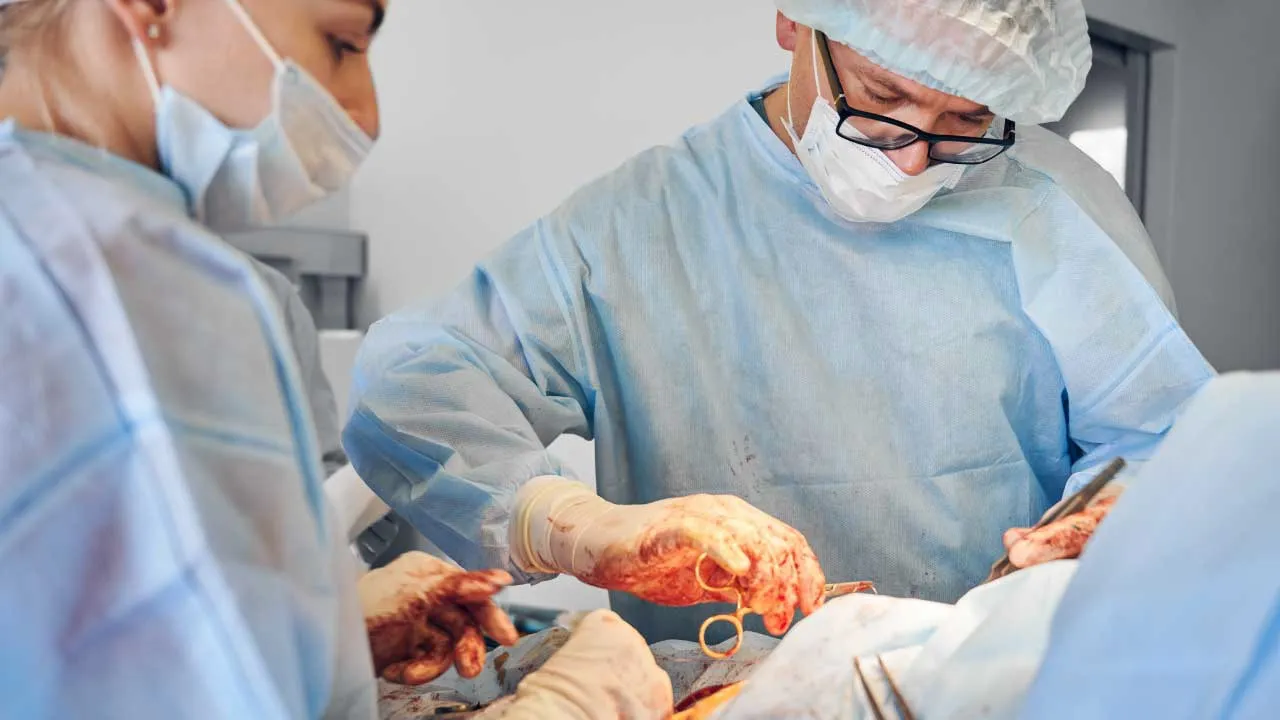
Ovarian drilling is usually done under general anesthesia using laparoscopy.
The procedure typically involves:
- Small cuts in the abdomen
- Insertion of a laparoscope (camera)
- Use of heat or laser to make tiny punctures in the ovaries
- Minimal blood loss and small scars
Most patients return home the same day or within 24 hours.
Recovery After Ovarian Drilling
Recovery is generally quick because the procedure is minimally invasive.
Patients may experience:
- Mild abdominal discomfort
- Shoulder pain due to gas used during laparoscopy
- Mild bloating
- Fatigue for a few days
Most women can resume normal activities within one to two weeks.
Are There Any Risks?
Like any surgical procedure, ovarian drilling carries some risks, although serious complications are uncommon.
Possible risks include:
- Infection
- Bleeding
- Scar tissue formation
- Damage to ovarian tissue
- Reduced ovarian reserve in rare cases
Experienced surgical care helps minimize these risks.
Success Rates Of Ovarian Drilling
Success depends on several factors including age, weight, hormonal status, and overall fertility health.
Many women experience improved ovulation after the procedure, and some conceive naturally within months. Others may still require additional fertility treatments.
Healthy lifestyle habits also play an important role in long-term fertility outcomes.
Lifestyle Support After Ovarian Drilling
Women are often advised to continue healthy lifestyle practices after the procedure, including:
- Maintaining a healthy weight
- Regular exercise
- Balanced nutrition
- Managing insulin resistance
- Regular medical follow-up
These measures can further improve fertility and PCOS management.
Conclusion
Ovarian drilling is a minimally invasive surgical option that may help improve fertility in selected women with PCOS, especially those who do not respond well to fertility medications. By improving ovulation and hormonal balance, the procedure may increase the chances of natural conception and better reproductive health.
Dr. Rajani Vaidya emphasizes that every woman with PCOS is different, and fertility treatment should always be personalized. Proper evaluation and expert guidance are important in choosing the right treatment approach.
Consult Dr. Rajani Vaidya
If you are struggling with PCOS-related infertility or irregular ovulation, consult Dr. Rajani Vaidya to understand whether ovarian drilling may be the right option for you. Early evaluation and personalized fertility care can help improve your chances of achieving a healthy pregnancy.
FAQs
Q: Is ovarian drilling a permanent cure for PCOS?
A: No, ovarian drilling is not a cure for PCOS, but it may help improve ovulation and fertility in selected patients.
Q: How soon can pregnancy occur after ovarian drilling?
A: Some women may conceive within a few months after the procedure, depending on individual fertility factors.
Q: Is ovarian drilling painful?
A: The procedure is performed under anesthesia. Mild discomfort during recovery is common but usually temporary.
Q: Can ovarian drilling improve irregular periods?
A: Yes, some women experience more regular menstrual cycles after improved ovulation.
Q: Does every woman with PCOS need ovarian drilling?
A: No, many women respond well to lifestyle changes and medications. Ovarian drilling is usually considered in selected cases.

We are committed to providing compassionate, personalized care for women at every stage of life—from adolescence and fertility to pregnancy, menopause, and beyond. Our goal is to ensure that every patient feels supported, informed, and cared for with the highest standards of medical expertise.


