Introduction
Ovarian cysts are fluid-filled sacs that develop on or inside the ovaries. They are quite common and often occur during a woman’s reproductive years. In many cases, ovarian cysts are harmless and disappear on their own without requiring treatment.
However, not all cysts resolve naturally. Some ovarian cysts may grow larger, cause severe symptoms, or carry the risk of complications. In such cases, surgical treatment may be necessary to remove the cyst and prevent further health issues.
Understanding the types of ovarian cysts that may require surgery can help women recognise warning signs and seek timely medical care.
What Are Ovarian Cysts?
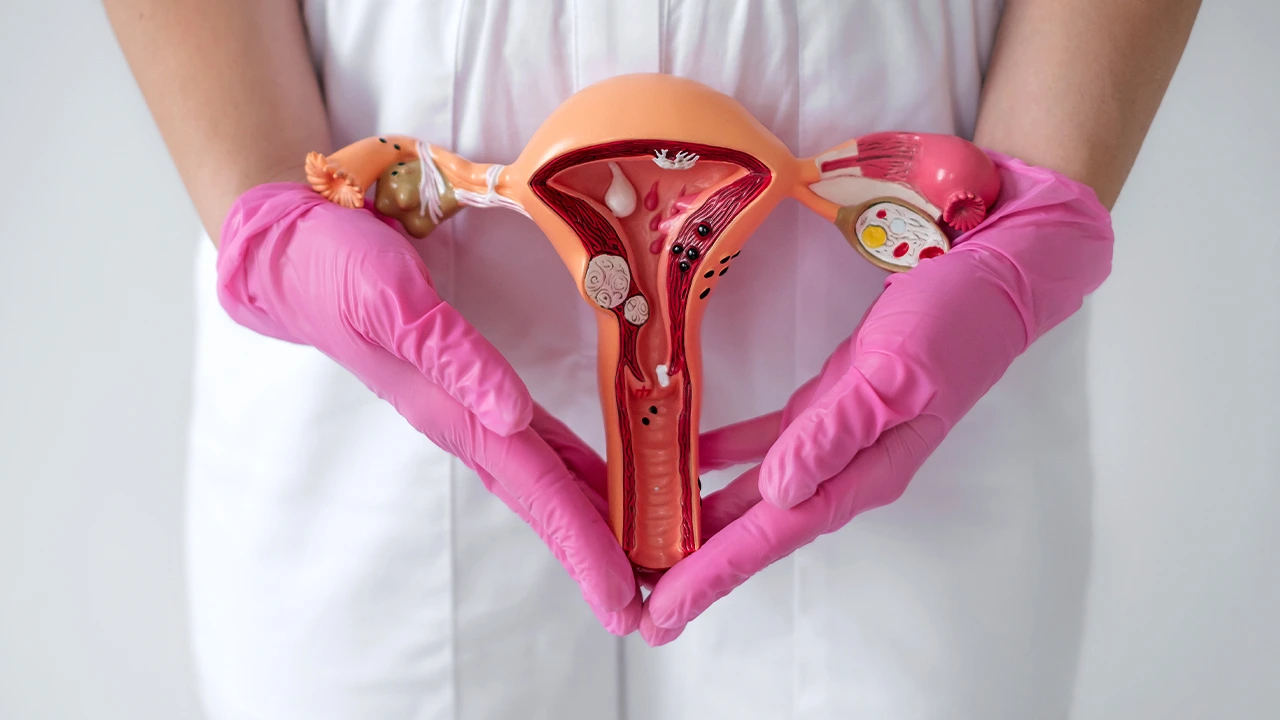
The ovaries are small organs located on either side of the uterus. They play an important role in producing eggs and female hormones such as estrogen and progesterone.
An ovarian cyst forms when a fluid-filled sac develops in the ovary. Many cysts form as a normal part of the menstrual cycle and are known as functional cysts. These cysts usually disappear without treatment.
However, certain types of cysts may grow larger, persist for a long time, or cause complications, which may require surgical intervention.
Common Symptoms Of Ovarian Cysts
Many ovarian cysts do not cause noticeable symptoms. However, larger or complicated cysts may lead to discomfort and other health concerns.
Common symptoms may include:
- Pelvic pain or pressure
- Abdominal bloating or swelling
- Irregular menstrual cycles
- Pain during intercourse
- Frequent urination due to pressure on the bladder
- Sudden severe pain if the cyst ruptures
If these symptoms persist or worsen, medical evaluation is necessary.
Types Of Ovarian Cysts That May Require Surgery
While many cysts are harmless, certain types are more likely to require surgical removal.
Large Ovarian Cysts
- Cysts that grow larger than normal may cause pressure on nearby organs and increase the risk of rupture or ovarian torsion.
- Large cysts can cause persistent pelvic pain
- They may interfere with normal ovarian function
- Surgery may be recommended to prevent complications
Complex Ovarian Cysts
- Complex cysts contain solid material, blood, or internal structures rather than only fluid.
- They may require further investigation
- Some complex cysts may carry a risk of malignancy
- Surgical removal helps confirm the diagnosis
Dermoid Cysts (Mature Cystic Teratomas)
- Dermoid cysts are a type of benign tumor that can contain tissues such as hair, fat, or skin.
- They tend to grow slowly over time
- Larger dermoid cysts may cause ovarian torsion
- Surgery is usually recommended to remove them
Endometriomas
Endometriomas are cysts associated with endometriosis, a condition where tissue similar to the uterine lining grows outside the uterus.
- These cysts are sometimes called “chocolate cysts”
- They may cause severe pelvic pain
- Surgery may be required if symptoms are significant
Persistent Ovarian Cysts
Cysts that do not resolve after several menstrual cycles may require surgical treatment.
- Persistent cysts may continue to grow
- Doctors may recommend removal to rule out serious conditions
Suspicious Or Cancerous Cysts
In rare cases, ovarian cysts may be associated with ovarian cancer.
- Irregular shape or solid components may raise concern
- Additional tests may be required
- Surgery is necessary for diagnosis and treatment
When Is Surgery Recommended?
Doctors may recommend surgery for ovarian cysts under certain conditions.
Surgery may be advised if:
- The cyst is very large
- The cyst causes severe pain or symptoms
- The cyst does not disappear over time
- There is a risk of ovarian torsion
- There is suspicion of cancer
The decision for surgery depends on the patient’s age, symptoms, and the characteristics of the cyst.
Types Of Surgical Procedures
Different surgical techniques may be used depending on the size and type of the cyst.
Laparoscopic Surgery
- Laparoscopy is a minimally invasive procedure used to remove many ovarian cysts.
- Small incisions are made in the abdomen
- A camera and surgical instruments are used
- Recovery time is usually faster
Laparotomy
In some cases, a larger incision may be needed.
- Used for very large or suspicious cysts
- Provides better access for complex cases
The goal of surgery is usually to remove the cyst while preserving healthy ovarian tissue whenever possible.
Recovery After Ovarian Cyst Surgery
Most women recover well after ovarian cyst surgery, especially with minimally invasive techniques.
Helpful recovery tips include:
- Following the doctor’s post-surgery instructions
- Avoiding heavy physical activity during recovery
- Attending follow-up appointments
- Monitoring for unusual symptoms
- Most patients can return to their normal activities within a few weeks.
When Should You See A Doctor?
Although many ovarian cysts are harmless, medical attention is important if symptoms appear.
You should consult a doctor if you experience:
- Persistent pelvic pain
- Sudden severe abdominal pain
- Abdominal swelling or bloating
- Irregular menstrual cycles
- Pain during intercourse
Early diagnosis can help prevent complications and ensure appropriate treatment.
FAQs
Q: Do all ovarian cysts require surgery?
A: No. Many ovarian cysts disappear naturally and do not require treatment.
Q: How do doctors decide if an ovarian cyst needs surgery?
A: Doctors consider factors such as cyst size, symptoms, persistence, and imaging results.
Q: Are ovarian cysts cancerous?
A: Most ovarian cysts are benign, but some types may require evaluation to rule out cancer.
Q: Is ovarian cyst surgery safe?
A: Yes. Most ovarian cyst surgeries are safe and often performed using minimally invasive techniques.
Q: How long does recovery take after ovarian cyst surgery?
A: Recovery time varies but many patients return to normal activities within a few weeks.
Schedule Your Consultation
Ovarian cysts are common and often harmless, but certain types may require surgical treatment. Large cysts, complex cysts, dermoid cysts, endometriomas, and persistent cysts may lead to complications if not properly managed.
Recognising symptoms and seeking timely medical care are important steps in protecting reproductive health. Modern surgical techniques allow safe and effective removal of problematic cysts while preserving ovarian function whenever possible.
Consulting an experienced gynecologist such as Dr. Rajani Vaidya can help ensure accurate diagnosis and the most suitable treatment for ovarian cysts.

We are committed to providing compassionate, personalized care for women at every stage of life—from adolescence and fertility to pregnancy, menopause, and beyond. Our goal is to ensure that every patient feels supported, informed, and cared for with the highest standards of medical expertise.


