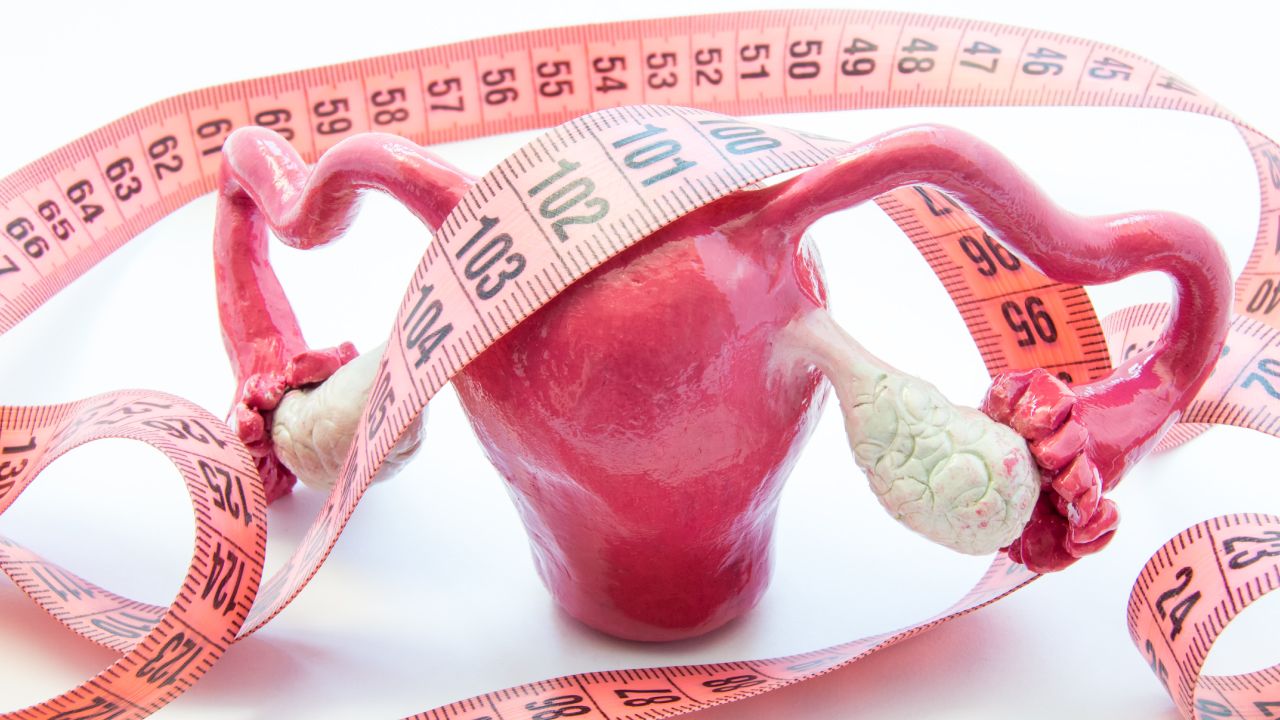
Fibroids, also known as uterine leiomyomas, are noncancerous growths that develop in the uterus. They are extremely common in women of reproductive age, and while some fibroids remain small and asymptomatic, others may lead to heavy menstrual bleeding, pelvic pain, bloating, urinary frequency, or fertility challenges.
Dr Rajani Vaidya, specialist in gynaecology, laparoscopy, and robotic surgery, emphasizes that early evaluation is crucial to determine the most appropriate treatment plan based on the size, number, and location of fibroids as well as the patient’s reproductive goals. Minimally invasive approaches such as laparoscopic and robotic-assisted surgery offer effective solutions with reduced recovery time and minimal scarring.
Understanding Fibroids and Their Impact
Fibroids can develop in different parts of the uterus, which influences the type of symptoms experienced:
- Intramural fibroids: Grow within the uterine wall and may cause heavy menstrual bleeding and pelvic pressure
- Subserosal fibroids: Develop on the outer surface of the uterus and may press on nearby organs such as the bladder or bowel
- Submucosal fibroids: Grow inside the uterine cavity and can affect fertility and cause significant menstrual bleeding
The severity of symptoms varies. Some women may not even realize they have fibroids until a routine checkup or ultrasound detects them. Others may experience chronic pelvic discomfort, fatigue due to anemia, or difficulty conceiving. Dr Rajani Vaidya highlights that early assessment ensures timely management, preventing complications and improving quality of life.
Why Minimally Invasive Surgery is Preferred
Traditional open surgery for fibroid removal involves a large abdominal incision, longer hospital stay, and extended recovery period. Minimally invasive techniques, on the other hand, allow surgeons to operate through small keyhole incisions with specialized instruments and cameras.
The main advantages include:
- Smaller incisions leading to minimal scarring
- Reduced postoperative pain and faster recovery
- Lower risk of infection and blood loss
- Shorter hospital stay
- Preservation of fertility when required
Dr Rajani Vaidya uses advanced laparoscopic and robotic-assisted approaches to ensure precise removal of fibroids while maintaining the integrity of the uterus.
Laparoscopic Myomectomy
Laparoscopic myomectomy is a surgical technique specifically for fibroid removal while preserving the uterus. It is particularly suitable for women who wish to maintain fertility.
During the procedure, small incisions are made in the abdomen through which a laparoscope and surgical instruments are inserted. The fibroids are carefully dissected and removed, and the uterine wall is reconstructed with meticulous suturing.
Benefits of laparoscopic myomectomy include:
- Minimal scarring and faster healing
- Reduced postoperative discomfort
- Quicker return to work and daily activities
- Preservation of fertility for women planning future pregnancies
Dr Rajani Vaidya emphasizes that the success of laparoscopic myomectomy depends on precise imaging before surgery, careful patient selection, and advanced surgical expertise.
Robotic-Assisted Laparoscopic Surgery
Robotic-assisted surgery is an advanced form of minimally invasive surgery that allows for greater precision and dexterity. The robotic system provides enhanced visualization, better control, and superior suturing capabilities, especially in complex or multiple fibroid cases.
Advantages include:
- Improved accuracy in fibroid removal
- Enhanced reconstruction of the uterus to preserve function
- Shorter recovery and reduced postoperative pain
- Better outcomes for multiple or large fibroids
- Minimal scarring and excellent cosmetic results
Dr Rajani Vaidya is highly experienced in robotic-assisted laparoscopic surgery, providing individualized care tailored to each patient’s needs.
Candidates for Laparoscopic or Robotic Surgery
Not all fibroid cases require surgery. Treatment decisions depend on symptoms, fibroid size, and patient goals. Minimally invasive surgery is usually recommended when:
- Fibroids cause significant bleeding, pain, or pressure symptoms
- Fibroids are growing or multiple in number
- Medical management or hormonal therapy is ineffective
- Fertility preservation is desired
- Early intervention can prevent complications such as anemia
A thorough evaluation including imaging studies and detailed consultation with Dr Rajani Vaidya ensures the best surgical plan is chosen.
Recovery After Surgery
Recovery after laparoscopic or robotic-assisted fibroid surgery is generally faster and smoother compared with open surgery. Typical recovery experiences include:
- Hospital stay of 24 to 48 hours in most cases
- Mild discomfort managed with medications
- Gradual return to routine activities within a few days to weeks
- Resumption of exercise and normal activity under medical guidance
Dr Rajani Vaidya provides detailed postoperative instructions and ongoing follow-up to ensure optimal recovery and long-term health.
Lifestyle Considerations Post-Surgery
Maintaining a healthy lifestyle after surgery helps support overall reproductive and pelvic health:
- Balanced diet rich in fiber, fruits, and vegetables
- Regular moderate physical activity
- Adequate hydration
- Avoidance of heavy lifting during early recovery
- Regular follow-up and periodic imaging as recommended
These measures may help reduce the risk of fibroid recurrence and support overall well-being.
Frequently Asked Questions
Q: Can laparoscopic surgery remove all types of fibroids?
A: Most small to medium fibroids can be removed laparoscopically. Dr Rajani Vaidya evaluates each case individually, especially for large or complex fibroids.
Q: Is robotic-assisted surgery better than standard laparoscopy?
A: Robotic surgery offers enhanced precision, especially for multiple or difficult fibroids, but both approaches are effective when performed by an experienced surgeon.
Q: Will fibroids come back after surgery?
A: Recurrence is possible, but regular monitoring and follow-up can detect new growth early.
Q: Does surgery affect fertility?
A: Laparoscopic myomectomy preserves the uterus and fertility, and Dr Rajani Vaidya tailors surgery to support future conception goals.
Q: How soon can I resume normal activities?
A: Most patients resume light activities within a few days and return to full activity in a few weeks, depending on the procedure and individual recovery.
Why Consult Dr Rajani Vaidya
Expert guidance is critical when considering fibroid treatment. Dr Rajani Vaidya, specialist in gynaecology, laparoscopy, and robotic surgery, offers:
- Comprehensive evaluation of fibroid size, location, and impact on health
- Personalized surgical planning for minimally invasive or robotic approaches
- Expert care focused on safety, precision, and optimal recovery
- Fertility-preserving techniques when desired
Early consultation ensures timely intervention, minimal complications, and long-term reproductive and pelvic health.

We are committed to providing compassionate, personalized care for women at every stage of life—from adolescence and fertility to pregnancy, menopause, and beyond. Our goal is to ensure that every patient feels supported, informed, and cared for with the highest standards of medical expertise.


