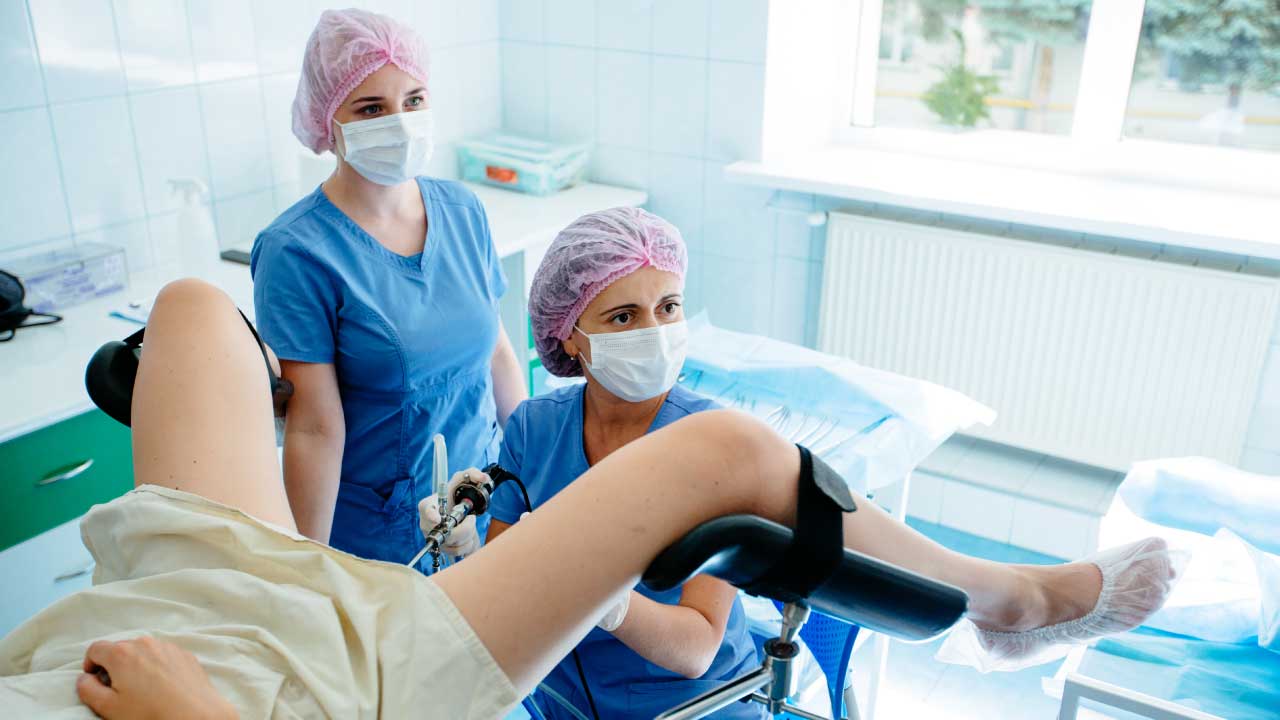
Infertility affects a significant number of couples worldwide, and uterine factors are a common cause. Abnormalities within the uterine cavity, such as fibroids, polyps, adhesions, or septa, can interfere with implantation and conception. Hysteroscopy is a minimally invasive procedure that allows direct visualization and treatment of these abnormalities, improving the chances of successful conception.
Dr Rajani Vaidya, specialist in gynaecology, laparoscopy, and robotic surgery, emphasizes that hysteroscopy plays a crucial role in both diagnosis and treatment, making it an indispensable tool in modern infertility management.
Understanding Hysteroscopy
Hysteroscopy involves inserting a thin, lighted telescope called a hysteroscope through the vagina and cervix into the uterine cavity. This allows the surgeon to directly inspect the inside of the uterus, identify abnormalities, and in many cases, treat them during the same procedure.
The procedure can be performed in two ways:
- Diagnostic hysteroscopy: Used to evaluate uterine abnormalities that may be affecting fertility.
- Operative hysteroscopy: Used to remove polyps, fibroids, adhesions, or correct structural defects.
Hysteroscopy is minimally invasive, often performed on an outpatient basis, and requires only mild sedation or local anesthesia depending on the case.
Common Uterine Causes of Infertility
Several uterine conditions can interfere with fertility and are often detected or treated through hysteroscopy:
- Uterine fibroids: Especially submucosal fibroids that distort the uterine cavity
- Endometrial polyps: Can prevent implantation of an embryo
- Asherman’s syndrome: Formation of intrauterine adhesions often after surgery or infection
- Congenital uterine anomalies: Such as septate or bicornuate uterus
Dr Rajani Vaidya highlights that addressing these uterine factors through hysteroscopy significantly improves the chances of conception, whether naturally or through assisted reproductive techniques such as IVF.
Diagnostic Role of Hysteroscopy
Diagnostic hysteroscopy allows precise assessment of the uterine cavity:
- Direct visualization identifies abnormalities that imaging may miss
- Confirms the size, number, and location of polyps or fibroids
- Detects adhesions or septa affecting uterine shape
- Provides information that guides further treatment planning
This high level of precision makes hysteroscopy superior to other diagnostic methods like ultrasound or hysterosalpingography in certain cases.
Operative Hysteroscopy for Infertility
Many uterine abnormalities can be corrected during the same hysteroscopy session:
- Polypectomy: Removal of polyps to restore normal endometrial lining
- Myomectomy: Removal of submucosal fibroids that interfere with implantation
- Adhesiolysis: Breaking down adhesions in cases of Asherman’s syndrome
- Septum resection: Correcting congenital uterine defects to create a normal cavity
Dr Rajani Vaidya uses advanced hysteroscopic techniques to perform these procedures safely and effectively, often improving fertility outcomes without requiring open surgery.
Advantages of Hysteroscopy
Hysteroscopy offers several benefits over traditional diagnostic and surgical methods:
- Minimally invasive with minimal discomfort
- Short hospital stay or outpatient procedure
- Faster recovery and reduced downtime
- High precision in both diagnosis and treatment
- Can simultaneously diagnose and treat abnormalities
The procedure is safe, effective, and allows women to resume normal activities quickly.
Preparing for Hysteroscopy
Preparation for hysteroscopy is straightforward and includes:
- Consultation with a specialist such as Dr Rajani Vaidya for assessment and planning
- Pre-procedure imaging or blood tests if required
- Scheduling the procedure according to the menstrual cycle for optimal visualization
- Arranging for transportation as mild sedation may be used
Following preparation guidelines ensures a safe and effective procedure.
Recovery After Hysteroscopy
Post-procedure recovery is generally quick. Patients may experience mild cramping or spotting for a few days. Key points for recovery include:
- Avoiding heavy physical activity for a short period
- Monitoring for unusual bleeding or fever
- Following up with the gynecologist for results and treatment planning
- Resuming normal fertility treatments as advised
Dr Rajani Vaidya provides detailed postoperative instructions to ensure optimal recovery and safety.
Frequently Asked Questions
Q: Is hysteroscopy painful?
A: The procedure is minimally invasive. Most patients experience only mild discomfort, and sedation or local anesthesia is used as needed.
Q: Can hysteroscopy improve chances of pregnancy?
A: Yes. Correcting uterine abnormalities such as polyps, fibroids, or adhesions improves implantation rates and overall fertility outcomes.
Q: Is hospitalization required for hysteroscopy?
A: Most hysteroscopies are outpatient procedures, allowing patients to return home the same day.
Q: How soon can fertility treatments resume after hysteroscopy?
A: Fertility treatments can usually resume in the next menstrual cycle once healing is confirmed, depending on the procedure performed.
Q: Are there any risks associated with hysteroscopy?
A: Complications are rare but may include infection, bleeding, or uterine perforation. These are minimized when performed by an experienced surgeon like Dr Rajani Vaidya.
Why Consult Dr Rajani Vaidya
Hysteroscopy requires expertise for accurate diagnosis and effective treatment. Dr Rajani Vaidya, specialist in gynaecology, laparoscopy, and robotic surgery, provides:
- Comprehensive evaluation of uterine health
- Personalized diagnostic and therapeutic hysteroscopy
- Minimally invasive approaches to correct uterine abnormalities
- Fertility-focused care to improve conception outcomes
Early consultation ensures timely intervention, accurate diagnosis, and safe treatment, significantly enhancing the chances of successful conception.

We are committed to providing compassionate, personalized care for women at every stage of life—from adolescence and fertility to pregnancy, menopause, and beyond. Our goal is to ensure that every patient feels supported, informed, and cared for with the highest standards of medical expertise.


