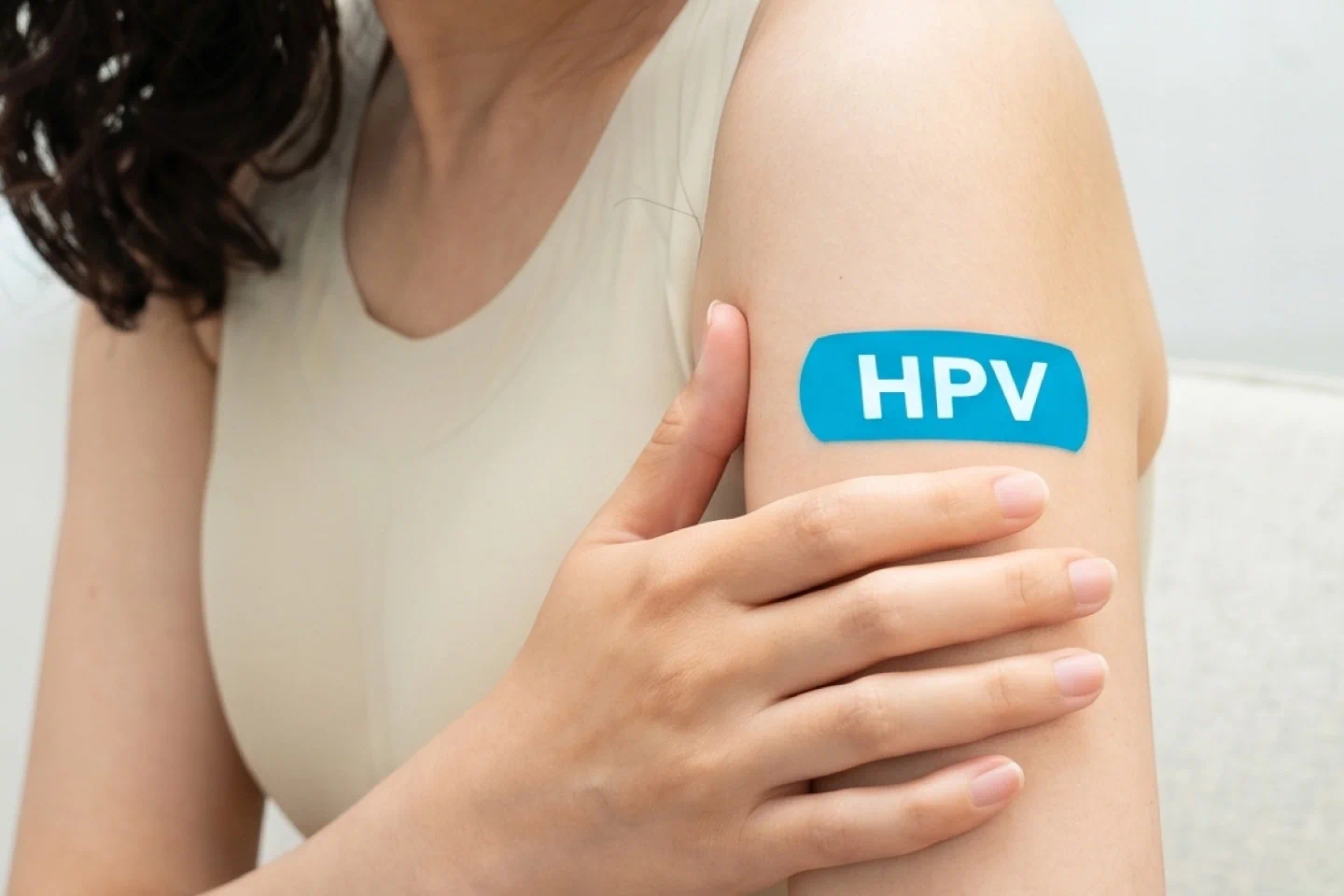
Human papillomavirus, or HPV, is a very common infection that can affect people of all genders. Some types of HPV can cause genital warts, while others can lead to changes in cells that may eventually contribute to certain cancers.
The HPV vaccine helps protect against infection with HPV types that are associated with several cancers. It works best when given before exposure to the virus, which is why vaccination is commonly recommended during the preteen years.
Understanding who can receive the vaccine, when it is given, and what side effects to expect can make vaccination decisions easier.
What Is The HPV Vaccine?
The HPV vaccine is designed to protect against infection with specific types of human papillomavirus.
HPV is transmitted through intimate skin-to-skin contact and sexual activity. Infection is common, and many people may never know they have been exposed.
The vaccine does not treat an existing HPV infection or clear HPV-related disease that is already present. Its main role is prevention.
What Can The HPV Vaccine Help Prevent?
Persistent infection with certain high-risk HPV types can contribute to several cancers.
HPV vaccination can help reduce the risk of HPV-related:
- Cervical cancer
- Vaginal cancer
- Vulvar cancer
- Anal cancer
- Penile cancer
- Certain cancers of the mouth and throat
Some HPV types can also cause genital warts.
Vaccination is therefore relevant to both females and males.
What Is The Recommended Age For HPV Vaccination?
For routine vaccination, HPV vaccination is recommended for children around ages 11 or 12, although it can be started as early as age 9.
Vaccination is recommended for everyone through age 26 if they have not been adequately vaccinated earlier.
For adults ages 27 through 45, vaccination is not routinely recommended for everyone. Some people in this age group may still benefit from vaccination, and the decision can be made through shared discussion with a healthcare professional.
The benefit may be smaller in this age group because more adults have already been exposed to HPV.
How Many HPV Vaccine Doses Are Needed?
The number of doses depends on the age at which vaccination is started and the person's immune status.
For people who start the vaccination series before their 15th birthday, two doses are generally recommended, with the second dose given several months after the first.
Those who start at age 15 or older generally need three doses.
People with certain conditions that affect the immune system may also need a three-dose schedule even when vaccination begins at a younger age.
Your doctor can confirm the appropriate schedule based on your age and medical history.
Can The HPV Vaccine Be Given If Someone Is Already Sexually Active?
Yes.
Being sexually active does not automatically mean that HPV vaccination is no longer useful. A person may not have been exposed to all the HPV types covered by the vaccine.
However, the vaccine does not treat HPV infections that are already present.
This is why vaccination before exposure to HPV generally provides the greatest preventive benefit.
What If Someone Has Already Had HPV?
Previous HPV infection does not necessarily mean that vaccination has no value.
There are many HPV types, and infection with one type does not necessarily provide protection against other types covered by the vaccine.
A healthcare professional can help determine whether vaccination may still be appropriate based on age, previous vaccination, and individual circumstances.
What Are The Common Side Effects?
Most side effects from the HPV vaccine are mild and temporary.
Common reactions can include:
- Pain, redness, or swelling where the injection was given
- Mild fever
- Headache
- Tiredness
- Muscle or joint aches
- Nausea
Some people may feel dizzy or faint around the time of vaccination. This can happen with injections in general, particularly among adolescents, which is why sitting or lying down during and shortly after vaccination may be recommended.
Are Serious Reactions Possible?
Serious allergic reactions are rare but can occur with any vaccine.
People with a history of a severe allergic reaction to a previous HPV vaccine dose or a vaccine component should discuss this with their healthcare professional before receiving another dose.
If a person develops symptoms such as difficulty breathing, swelling of the face or throat, or widespread hives after vaccination, urgent medical attention is needed.
Can The HPV Vaccine Cause HPV Infection?
No.
The HPV vaccine does not contain live HPV capable of causing infection. It uses virus-like particles to stimulate an immune response.
It therefore cannot give someone an HPV infection.
Do You Still Need Cervical Screening After HPV Vaccination?
Yes.
HPV vaccination provides protection against many important HPV types, but it does not protect against every possible cause of cervical cancer.
Vaccinated women should continue to follow recommended cervical cancer screening guidelines based on their age and individual risk factors.
Vaccination and screening work together as part of cervical cancer prevention.
Can The HPV Vaccine Affect Fertility?
Current evidence does not show that HPV vaccination causes infertility.
Protecting against HPV-related disease can be an important part of long-term reproductive and gynecological health.
If you have concerns about vaccination, fertility, pregnancy planning, or your personal medical history, discuss them with your gynecologist.
Can The HPV Vaccine Be Given During Pregnancy?
HPV vaccination is generally not recommended during pregnancy.
If a person receives an HPV vaccine dose before realizing they are pregnant, available guidance does not recommend intervention solely because of the vaccination. The remaining doses can generally be delayed until after pregnancy.
HPV vaccination is not a substitute for prenatal care, cervical screening, or other preventive gynecological care.
Why Getting Vaccinated Earlier Can Be Helpful
The HPV vaccine works by preparing the immune system to recognize specific HPV types before exposure occurs.
This is why routine vaccination during the preteen years is recommended. However, people who missed vaccination earlier may still have opportunities to benefit from vaccination at later ages.
The right timing depends on age, previous vaccination, medical history, and potential prior HPV exposure.
Discuss HPV Vaccination With Your Gynecologist
If you have questions about the HPV vaccine, vaccination schedule, side effects, or whether vaccination is appropriate for you or your child, Dr. Rajani Vaidya can discuss your individual circumstances and guide you on appropriate gynecological preventive care.
Frequently Asked Questions
Q: Is the HPV vaccine only for girls?
A: No. HPV can affect people of all genders, and HPV vaccination is recommended for both males and females. It can help reduce the risk of several HPV-related cancers and genital warts.
Q: What is the best age to get the HPV vaccine?
A: Routine vaccination is recommended around ages 11 or 12 and can begin at age 9. Vaccination is also recommended through age 26 for those who were not adequately vaccinated earlier.
Q: Can adults get the HPV vaccine?
A: Some adults ages 27 through 45 may benefit from HPV vaccination, but it is not routinely recommended for everyone in this age group. A healthcare professional can discuss the potential benefits based on individual circumstances.
Q: Does the HPV vaccine protect against cervical cancer?
A: HPV vaccination helps prevent infection with HPV types that can cause cervical cancer. It substantially reduces the risk of HPV-related disease, but it does not prevent every cause of cervical cancer. Cervical screening remains important even after vaccination.
Q: Can the HPV vaccine cause HPV infection?
A: No. The vaccine does not contain live HPV capable of causing infection and cannot give someone an HPV infection.
Q: What should I do if I experience side effects after the HPV vaccine?
A: Mild soreness, swelling at the injection site, headache, tiredness, or a mild fever can occur and usually settle on their own. Severe symptoms such as difficulty breathing or swelling of the face or throat require urgent medical attention.

We are committed to providing compassionate, personalized care for women at every stage of life—from adolescence and fertility to pregnancy, menopause, and beyond. Our goal is to ensure that every patient feels supported, informed, and cared for with the highest standards of medical expertise.


