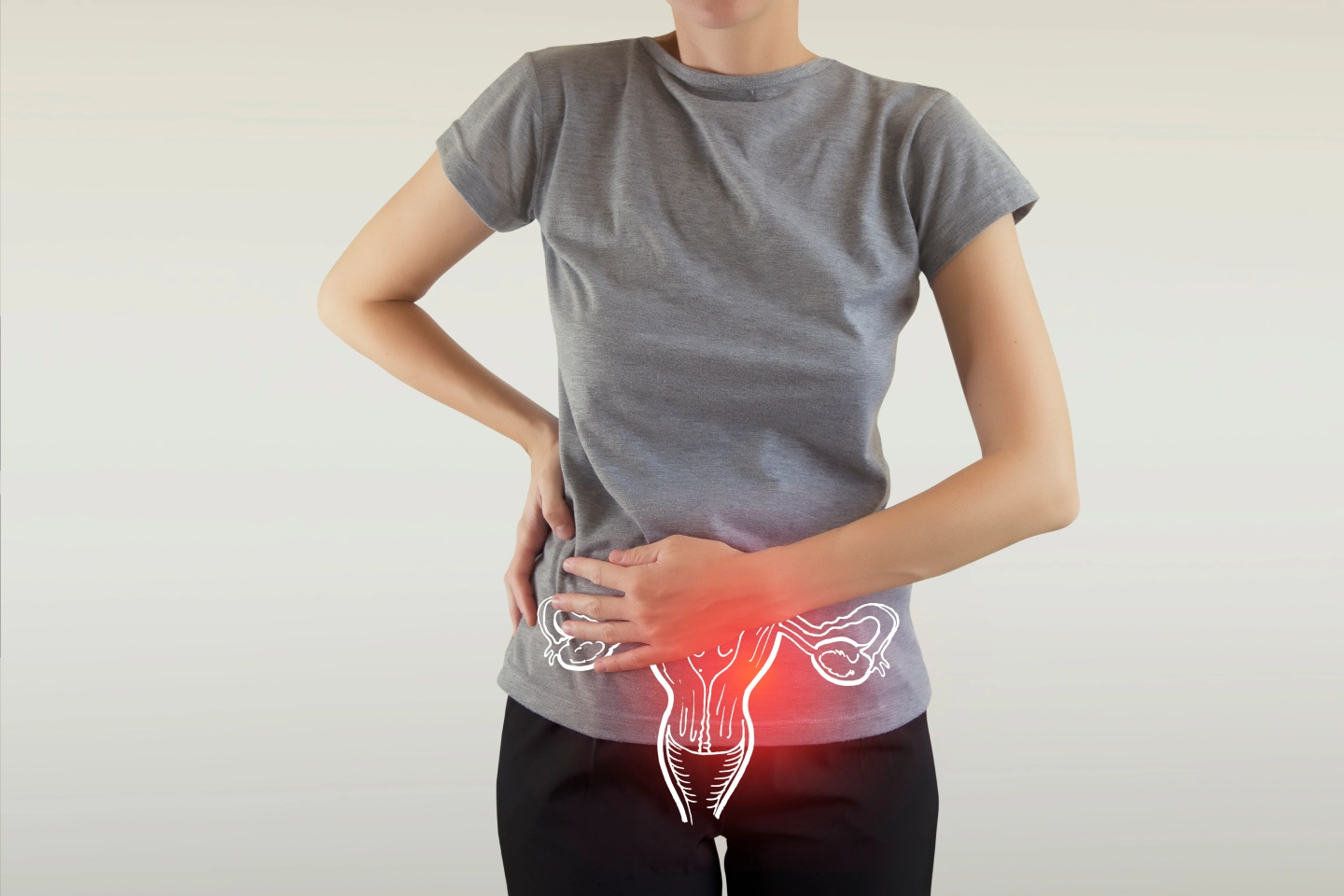
Abnormal uterine bleeding, commonly known as AUB, refers to any change in the frequency, duration, or volume of menstrual bleeding. It can significantly impact a woman’s quality of life, causing fatigue, anemia, emotional distress, and disruption of daily activities.
Dr Rajani Vaidya, specialist in gynaecology, laparoscopy, and robotic surgery, emphasizes that understanding the underlying causes and selecting the right treatment approach are critical for effective management. Modern surgical techniques such as laparoscopic and robotic-assisted surgery have transformed the treatment of AUB, allowing precise intervention with minimal recovery time.
Understanding Abnormal Uterine Bleeding
Abnormal uterine bleeding can manifest in various forms:
- Heavy or prolonged menstrual bleeding
- Bleeding between periods
- Irregular menstrual cycles
- Spotting after menopause in some cases
The causes of AUB are broadly categorized into structural and non-structural factors. Identifying the root cause is essential for proper treatment.
Causes of Abnormal Uterine Bleeding
Structural Causes
Structural changes in the uterus are often responsible for abnormal bleeding. These may be detected through imaging or hysteroscopy:
- Fibroids or uterine leiomyomas
- Polyps in the uterine lining
- Adenomyosis, where uterine tissue grows into the muscle wall
- Malignant changes in the
Non-Structural Causes
Non-structural causes involve hormonal or systemic factors affecting menstrual cycles:
- Hormonal imbalance, especially estrogen and progesterone fluctuations
- Thyroid disorders
- Coagulation or bleeding disorders
- Medications such as anticoagulants or hormonal therapies
Dr Rajani Vaidya stresses that a thorough evaluation is necessary to determine whether medical management, surgical intervention, or a combination of both is appropriate.
Diagnostic Evaluation
Accurate diagnosis is crucial before planning treatment for AUB. The evaluation process includes:
- Detailed medical and menstrual history
- Physical and pelvic examination
- Imaging such as ultrasound or MRI to detect fibroids, polyps, or structural abnormalities
- Hysteroscopy for direct visualization of the uterine cavity
- Laboratory tests including hormone profiles and blood counts
A precise diagnosis allows Dr Rajani Vaidya to develop a treatment plan that is safe, effective, and tailored to the patient’s needs.
Surgical Treatment Options
Surgery is considered when medical therapy is insufficient, structural abnormalities are present, or there is a risk of complications such as severe anemia or malignancy. Minimally invasive techniques are preferred due to their effectiveness and faster recovery.
Laparoscopic Surgery
Laparoscopic surgery uses small incisions and specialized instruments to access the uterus. Fibroids, polyps, or adenomyosis tissue can be removed while preserving the uterus when fertility preservation is desired.
Benefits include:
- Minimal scarring
- Reduced postoperative pain
- Short hospital stay
- Faster return to daily life
- Preservation of fertility
Hysteroscopic Surgery
Hysteroscopy is performed through the vagina to treat intrauterine abnormalities such as polyps or submucosal fibroids. The procedure allows precise removal of abnormal tissue without abdominal incisions and provides rapid recovery.
Robotic-Assisted Surgery
Robotic-assisted laparoscopic surgery provides enhanced precision and control. It is especially useful for complex cases with multiple or large fibroids, adenomyosis, or abnormal uterine anatomy.
Advantages include:
- Superior visualization and precision
- Better suturing and uterine reconstruction
- Minimal blood loss and faster recovery
- Excellent outcomes for complex cases
Dr Rajani Vaidya specializes in both laparoscopic and robotic approaches, ensuring safe and effective treatment tailored to each patient.
Benefits of Minimally Invasive Surgery
Minimally invasive surgery offers several advantages over traditional open surgery:
- Smaller incisions and minimal scarring
- Reduced pain after surgery
- Shorter hospital stay and faster recovery
- Lower risk of infection or postoperative complications
- Precision removal of abnormal tissue while preserving healthy uterine tissue
These benefits make laparoscopic and robotic procedures the preferred choice for women requiring surgical treatment for AUB.
Recovery and Postoperative Care
Recovery after minimally invasive surgery is typically faster than traditional open surgery. Key points include:
- Hospital stay of one to two days in most cases
- Mild discomfort manageable with medications
- Gradual return to routine activities in a few days
- Full recovery and resumption of exercise within a few weeks
Dr Rajani Vaidya provides detailed postoperative guidance to ensure safe healing and long-term uterine health.
Lifestyle Measures to Support Recovery
Healthy lifestyle practices can enhance recovery and support reproductive health:
- Balanced diet rich in fiber, fruits, and vegetables
- Regular moderate exercise
- Adequate hydration
- Avoidance of heavy lifting during recovery
- Routine follow-up and imaging as recommended
These measures may also help reduce the risk of fibroid recurrence or other uterine abnormalities.
Frequently Asked Questions
Q: What is the most common cause of abnormal uterine bleeding?
A: Fibroids, polyps, adenomyosis, and hormonal imbalances are common causes. A detailed evaluation is required to identify the exact reason.
Q: Can AUB be managed without surgery?
A: Some cases respond to medications or hormonal therapy, but structural abnormalities often require minimally invasive surgical treatment.
Q: Is laparoscopic surgery safe for AUB?
A: Yes, when performed by an experienced surgeon such as Dr Rajani Vaidya, laparoscopic and robotic procedures are safe and effective.
Q: Will surgery affect fertility?
A: Fertility-preserving procedures are possible. Dr Rajani Vaidya tailors surgery to support reproductive goals.
Q: How long is the recovery period?
A: Most patients resume routine activities within a few days, with full recovery in a few weeks depending on the procedure.
Why Consult Dr Rajani Vaidya
Choosing the right specialist is critical for safe and effective management of abnormal uterine bleeding. Dr Rajani Vaidya, expert in gynaecology, laparoscopy, and robotic surgery, provides:
- Comprehensive evaluation of uterine health and bleeding causes
- Personalized treatment plans including minimally invasive surgery
- Advanced laparoscopic and robotic surgical techniques
- Fertility-preserving options when required
Early consultation ensures timely intervention, reduces complications, and provides optimal long-term reproductive and pelvic health.

We are committed to providing compassionate, personalized care for women at every stage of life—from adolescence and fertility to pregnancy, menopause, and beyond. Our goal is to ensure that every patient feels supported, informed, and cared for with the highest standards of medical expertise.


